
Inaugurated on 3 September 1808, the Milan Conservatory, established by Royal Decree of Napoleon in 1807 by Eugène de Beauharnais, Viceroy of Italy, and housed in the former convent of the Church of Santa Maria della Passione, has since then been one of the most prestigious institutions for the study of music, both nationally and internationally.
More than 1,700 students today, around 250 teachers, 150 courses of study between Level I and Level II, from early music to pop-rock, as well as Level I and Level II masters, master classes and seminars with internationally renowned lecturers, scholarships and the Conservatoire Prize, a real competition in which the best students compete each year.
The stage for them and for the teachers, for a total of around 200 productions a year, the two concert halls: the smaller one dedicated to Puccini, the most famous of the students of the Milan Conservatory, and the larger one, the Verdi, one of the best concert halls in Europe, also home to the historic seasons of the Serate Musicali, the Società del Quartetto and the Società dei Concerti.
The Conservatoire's orchestras perform here: the OSCoM Orchestra Sinfonica del Conservatorio di Milano, a unique model of stable orchestra created within an Institute of Higher Music Education; the Youth Orchestra, a formation that prepares the youngest students; the VJO Verdi Jazz Orchestra, the Conservatoire's Big Band; the Rhythmic Symphony Orchestra; the Verdi Band; the MLOrK Lap top Orchestra of the Milan Conservatoire.
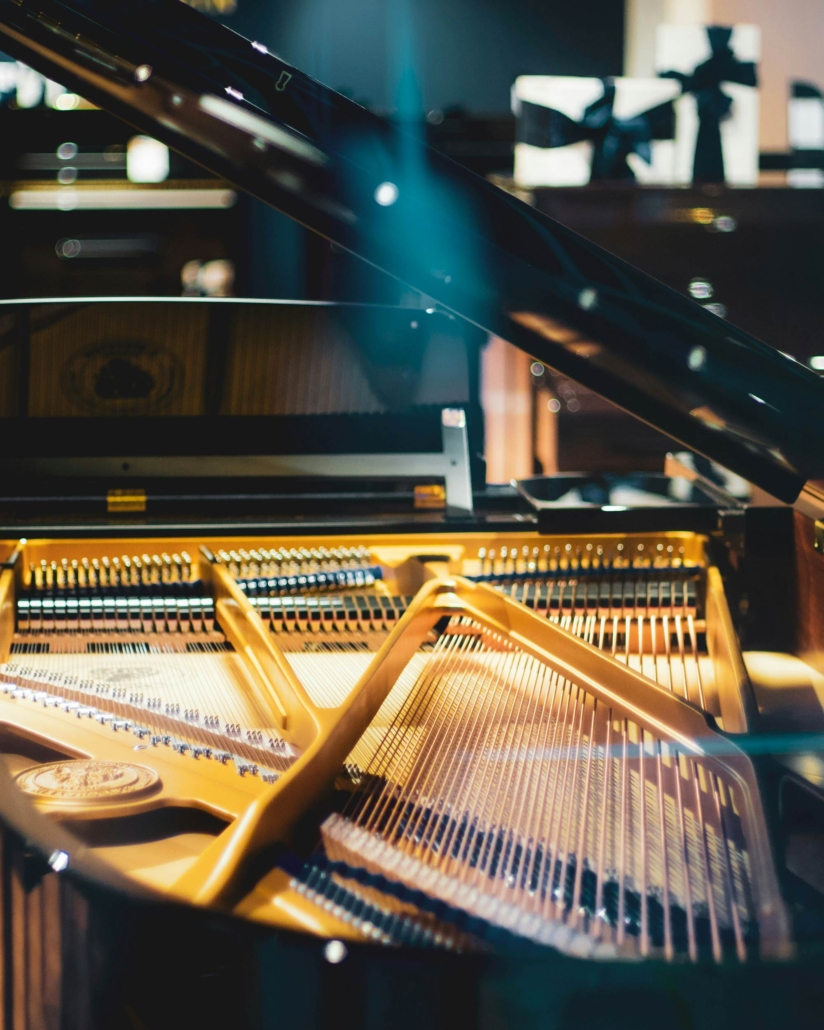
Upon entering Sala Verdi, the audience is unexpectedly confronted with the exhibition of instruments from the Conservatory's precious historical collection (among others, an Amati viola, Guadagnini violins, a Maggini cello); instruments also of ethnic origin, all of extraordinary organological value.
The Collection represents only a part of the Institute's holdings, in whose Library more than 500,000 bibliographic units are kept, available to teachers and students, but also to the scientific community and those who wish to approach music. The Milan Conservatory Library is in fact a public library.
Open to the public for guided tours by appointment is the Conservatory itself. Permanent and open to visitors is the exhibition of the Toscanini Lot donated to the Conservatory, among whose memorabilia the Maestro's tailcoat, donated by Riccardo Muti, occupies a prominent place; and in the Cloisters an important display of contemporary sculptures, in collaboration with the Pomodoro Foundation.
To mark the centrality of the Conservatory in Milan's artistic and cultural paths.